
Preparing for a Fire Sprinkler Inspection: What Building Owners Should Know
- Mar 15
- 5 min read

Fire sprinkler systems are one of the most important life safety features in a building. Regular fire sprinkler inspections, testing, and maintenance help ensure the system will operate properly during an emergency.
Most commercial buildings are required to have their sprinkler systems inspected according to NFPA 25 standards, which include quarterly, annual, and multi-year inspections and tests.
Preparing ahead of time can help the inspection go smoothly and can prevent delays or additional service visits.
Below are several important steps building owners, property managers, and maintenance teams can take before their next fire sprinkler inspection.
1. Make Sure the Sprinkler Riser Is Accessible

The sprinkler riser is the central control point of the fire sprinkler system. This area typically contains:
• Alarm valve• Main control valve• Water flow switches• Pressure gauges• Test and drain connections
During inspections, technicians must access this equipment to verify that the system is operating correctly.
To prepare for the inspection:
✔ Ensure the riser room is unlocked and accessible
✔ Keep the area clear of storage or obstructions
✔ Make sure technicians can reach the valves and gauges safely
Blocked riser rooms are one of the most common reasons inspections take longer than expected.
2. Check That Sprinkler Heads Are Not Obstructed
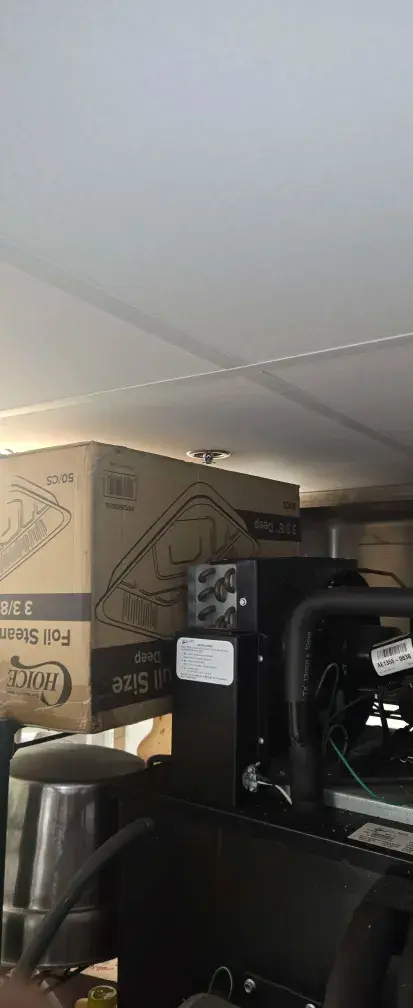
Fire sprinkler heads must have proper clearance to operate effectively.
According to fire protection standards, objects stored too close to sprinkler heads can interfere with the spray pattern and reduce the effectiveness of the system.
Before the inspection, walk through the building and look for:
• Storage stacked too close to sprinklers• Decorations hanging from sprinkler heads• Shelving or equipment blocking the spray area
In storage areas and warehouses, maintaining proper clearance below sprinklers is especially important.
3. Confirm Control Valves Are Visible and Properly Labeled

Every fire sprinkler system includes control valves that regulate water flow to the system.
Inspectors check these valves to verify they are:
• In the correct open position
• Accessible for operation
• Properly labeled
• Equipped with working tamper switches
If a control valve is closed or partially closed, it could prevent water from reaching the sprinkler system during a fire.
Ensuring valves are accessible and properly identified helps technicians complete inspections quickly.
4. Check for Leaks, Corrosion, or Physical Damage
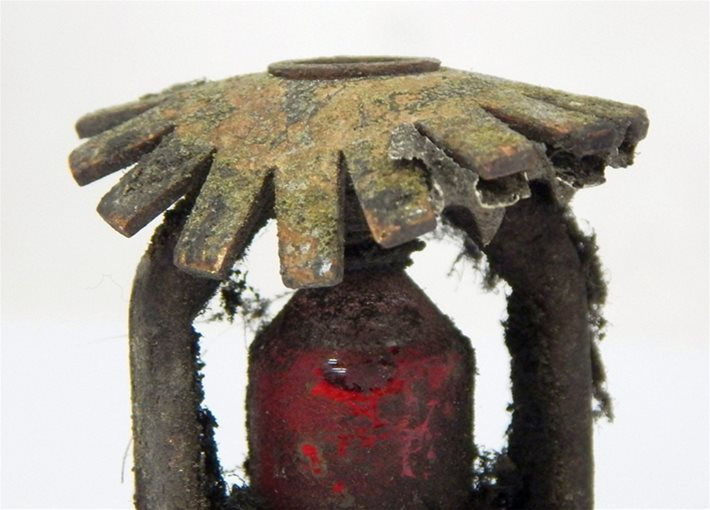

Before your inspection, it’s a good idea to check for obvious signs of system issues.
Look for:
• Water leaks around pipes or fittings• Corrosion on sprinkler piping• Bent or damaged sprinkler heads• Broken gauges or alarm devices
If problems are discovered early, they can often be repaired quickly and prevent larger issues later.
5. Ensure Access to All Fire Protection Equipment
Inspectors may also need access to additional fire protection components, including:
• Fire department connections (FDC)
• Backflow preventers
• Fire pumps• Dry system air compressors
• Alarm devices and monitoring equipment
Keeping these areas clear and accessible helps ensure the entire inspection process goes smoothly.
6. Never Hang Objects From Fire Sprinkler Heads

One of the most common problems found during fire sprinkler inspections is items hanging from sprinkler heads or piping.
This can include things like:
• Decorations
• Signs or banners
• String lights• Clothing hangers
• Wires or cables
• Storage items
Even though it might seem harmless, sprinkler heads are very sensitive life safety devices.
Hanging objects from a sprinkler head can cause several serious problems.
Accidental Activation
Fire sprinkler heads contain a heat-sensitive element designed to activate during a fire. If something is pulled, bumped, or hung from the head, it can damage the mechanism or even cause the sprinkler to discharge.
An accidental sprinkler activation can release 20–40 gallons of water per minute, causing major water damage to the building.
Blocked Water Spray Pattern
Fire sprinklers are designed to distribute water in a specific pattern to control a fire. Objects hanging from the sprinkler head can interfere with that spray pattern and reduce the effectiveness of the system.
Damage to the Sprinkler Head
Sprinkler heads are not designed to support weight. Hanging objects from them can bend the frame, damage the deflector, or weaken the thermal element.
If a sprinkler head becomes damaged, it may need to be replaced to ensure the system operates properly.
What Building Owners and Tenants Should Do
To avoid problems during inspections and ensure the system functions properly:
✔ Never hang items from sprinkler heads
✔ Do not attach decorations or lights to sprinkler piping
✔ Avoid placing storage or shelving that touches sprinklers
✔ Train staff and tenants about sprinkler safety
Keeping sprinkler heads clear and unobstructed helps ensure the system can operate effectively during an emergency.
🔥 Legacy Fire Protection Inspection
• Testing
• Maintenance
• Emergency Service
Helping building owners maintain reliable fire sprinkler systems and stay compliant with fire safety standards.
7. Make Sure Sprinkler Heads Have Proper Escutcheon Plates
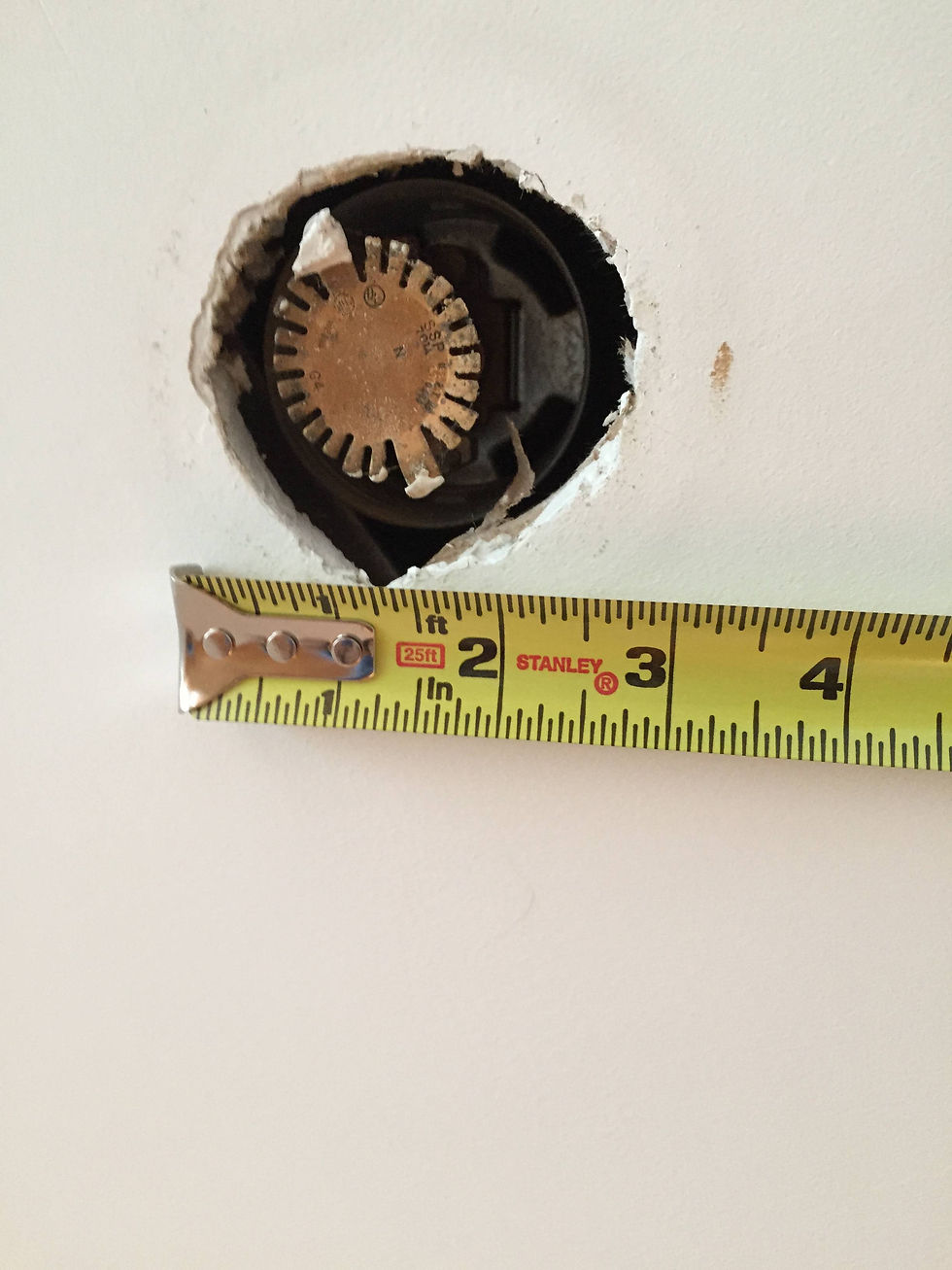
Another issue inspectors commonly find is missing or damaged escutcheon plates around sprinkler heads.
An escutcheon plate is the trim ring that covers the gap between the sprinkler head and the ceiling.
Although it may seem cosmetic, escutcheons play an important role in maintaining the fire resistance rating of ceilings and walls.
If the escutcheon plate is missing or damaged, it can allow heat and smoke to travel through the opening more easily during a fire.
During fire sprinkler inspections, technicians will check for:
• Missing escutcheon plates• Loose or hanging escutcheons• Escutcheons that are painted or damaged• Large gaps around sprinkler heads
If an escutcheon is missing, it is usually a quick and inexpensive repair, but it is important to correct the issue to keep the fire protection system compliant.
Building owners and maintenance teams should periodically walk through their buildings and check ceilings for missing escutcheon plates.
Replacing them early can help avoid inspection deficiencies later.
Why Fire Sprinkler Inspections Are Important
Regular fire sprinkler inspections and testing help ensure systems operate as designed when a fire occurs.
Routine inspections help verify:
• Water supply availability
• Valve position and operation
• Alarm system activation
• System pressure levels
• Condition of sprinkler heads and piping
Maintaining a properly inspected sprinkler system not only protects the building but also helps keep the property compliant with fire codes and safety standards.
Schedule Your Fire Sprinkler Inspection
Regular fire sprinkler inspections, testing, and maintenance help ensure your system is ready to operate during an emergency.
Preparing your building before an inspection can help the process go smoothly and reduce the chances of violations or delays.
If your property needs fire sprinkler inspection services, our team can help.
🔥 Legacy Fire Protection Inspection
• Testing
• Maintenance
• Emergency Service
We work with:
• Commercial buildings
• Apartment complexes
• Retail properties
• Warehouses
• Schools and facilities
Our technicians help ensure your fire sprinkler systems remain compliant, reliable, and ready when needed.
📞 Need to schedule an inspection or service?Contact Legacy Fire Protection today to learn how we can help keep your building protected.


Comments